
Let’s talk about this topic
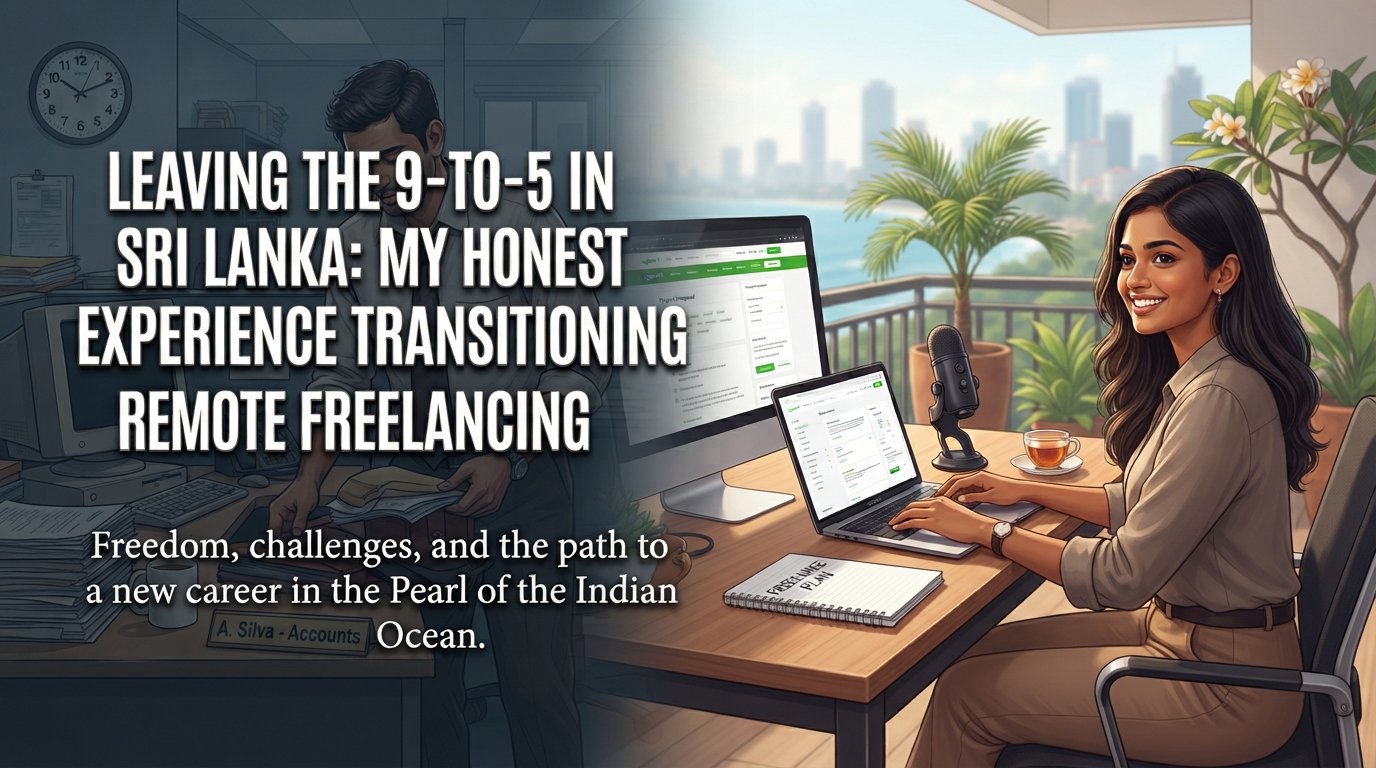
Two years ago, I sat on a crowded 138 bus crawling past Maharagama at 7:45 AM, watching rainwater drip down the window while checking my bank balance. I had a decent corporate job at a logistics company near Colombo 03. My salary arrived on the 25th of every month, my EPF and ETF ticked upward quietly, and my parents felt proud telling relatives I worked at a well-known private firm.
Yet after paying rent, bus fares, lunch packets, and rising utility bills, I had barely three thousand rupees left by the middle of the month. Earning in Sri Lankan rupees while living expenses crept up every quarter felt like running on a treadmill set too fast.
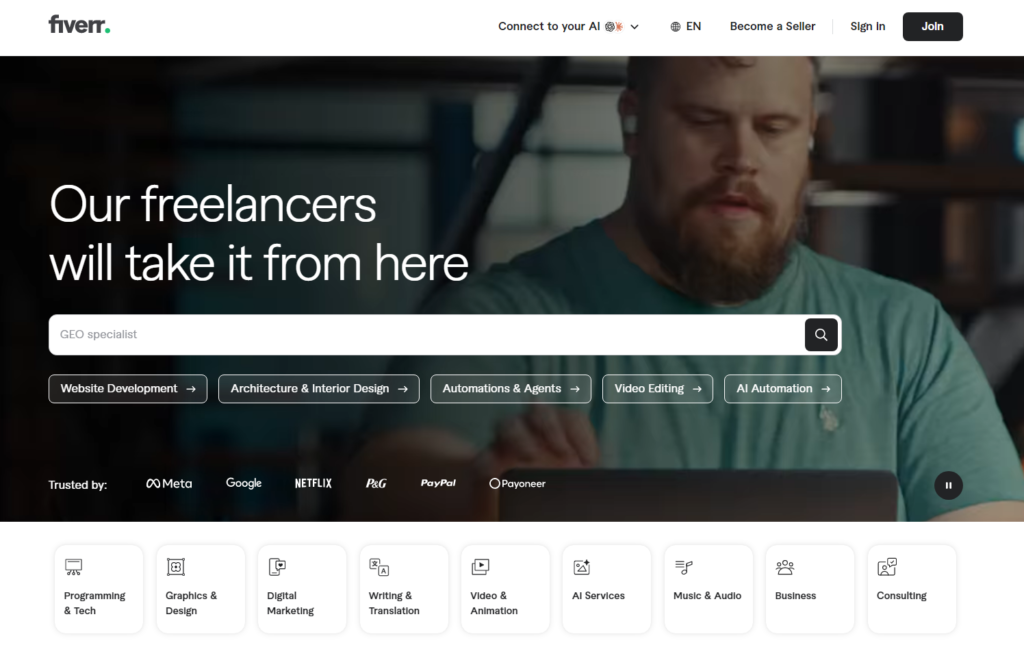
Around that time, I started taking small technical SEO and WordPress speed optimization jobs on Fiverr after 8:00 PM. Within six months, my side income matched my day-job paycheck. Eventually, I handed in my resignation letter, packed up my desk, and went full-time remote from my spare room.
Social media loves making freelancing look like drinking iced coffee beside a beach in Weligama while dollars rain into your account. Reality looks very different. Leaving a traditional Sri Lankan 9-to-5 brings real freedom, yet it also introduces headaches nobody warns you about until you are deep inside them.
The First Three Months on Fiverr Felt Like Pushing a Boulder Uphill
People assume once you open an account on Fiverr or Upwork, foreign clients immediately line up to pay you fifty dollars an hour. My actual start was humbling.
For my first forty days on Fiverr, I got zero orders. My gig impressions sat in the single digits because dozens of established sellers offered the exact same website migration and schema setup services with hundreds of five-star reviews. I had to stop treating my profile like a generic CV and start fixing hyper-specific problems—like cleaning up broken WooCommerce checkout scripts or fixing Core Web Vitals on slow local business themes.
My first order brought in twenty dollars. After Fiverr took its 20% cut, I cleared sixteen dollars for four hours of careful work. That single review changed everything, though. Once buyers saw real feedback from an Australian e-commerce owner, inquiries began arriving twice a week.
When I finally left my day job, I made sure I had two things ready: at least four months of basic living expenses saved in cash, and three repeat clients who booked monthly maintenance work directly through Fiverr and Upwork. Quitting with zero repeat pipeline is gambling, not planning.
Getting Dollars Into a Sri Lankan Bank Account Takes Patience
Earning US dollars on a screen is one thing; getting those rupees safely into your Commercial Bank, Sampath, or HNB account without losing half of it to bad exchange rates or frozen transfers is another.
Because Sri Lanka still lacks full PayPal receiving support for local accounts, Payoneer became my main lifeline. Linking Fiverr to Payoneer and connecting Payoneer to my local Personal Foreign Currency Account (PFCA) and LKR savings account took careful paperwork.
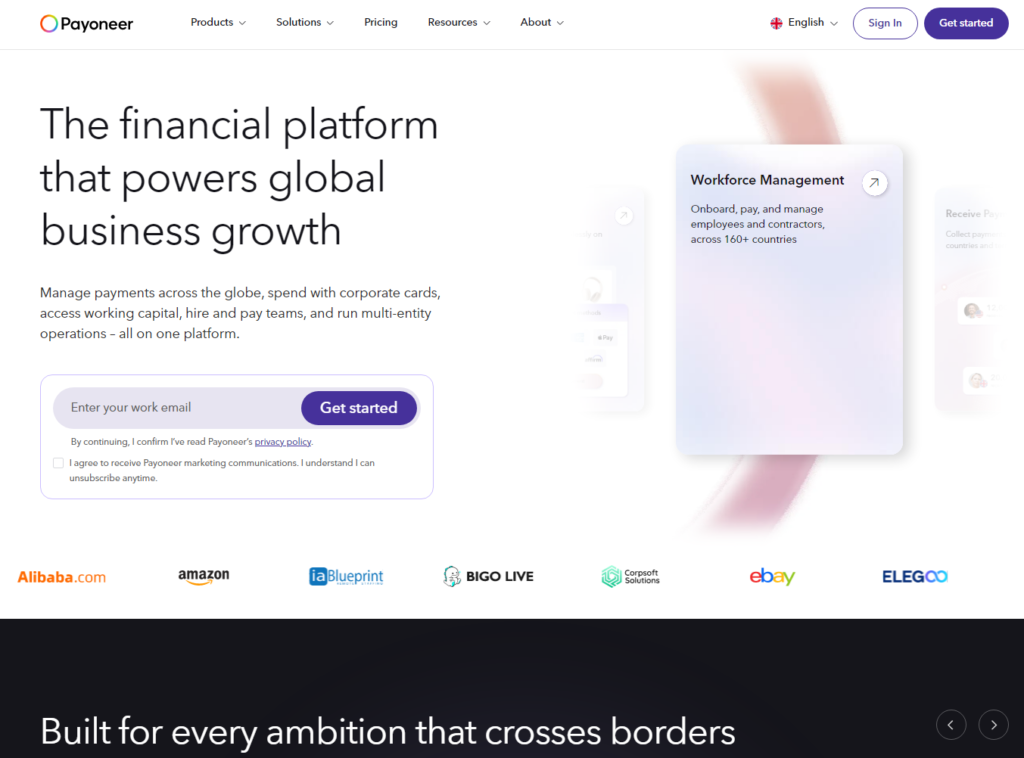
Every single detail—my full name on my National Identity Card, my utility bill address, and my bank branch code—had to match letter for letter. One middle-initial mismatch delayed my first withdrawal by eleven days.
I quickly learned not to withdraw fifty dollars at a time. Payoneer charges conversion and withdrawal fees on transfers, so letting funds build up before moving a larger batch to my local bank saved thousands of rupees over a year.
Taxes and Paperwork Do Not Disappear When You Work From Home
In a normal Colombo office job, the accounts team deducts your monthly APIT tax automatically and hands you a certificate at the end of the financial year. When you freelance, nobody holds your hand.
Once my foreign earnings crossed the annual personal tax-free threshold of LKR 1.8 million, I had to register for a Taxpayer Identification Number (TIN), track every dollar remittance from my bank statements, and pay quarterly self-assessment installments to the Inland Revenue Department. Under Sri Lanka’s current tax rules for service exporters, foreign currency remitted through a local bank for services used abroad qualifies for a maximum tax cap of 15%, which is much lighter than the top local progressive brackets—provided you keep clean bank remittance proofs.
I also had to solve the “no salary slip” problem. Try applying for a credit card or a vehicle lease at a Sri Lankan bank without a formal company letterhead and three months of payslips. Branch managers look at you like you are unemployed unless you bring six months of stamped bank statements showing steady inward remittances alongside your tax filing receipts.
Working Alone in a Quiet Room Messes With Your Routine
Nobody talks about the strange silence of your first week without an office.
At my old job, I complained constantly about morning traffic on High Level Road and pointless Monday status meetings. Two weeks after resigning, I missed hearing coworkers complain about the office tea. When you work remotely for clients in the UK, US, or Australia, your schedule naturally drifts toward late evenings. Before I caught myself, I was sleeping at 3:00 AM, waking up at noon, and working in shorts all day without stepping outside.
That lifestyle drains your energy fast. I forced myself to build strict boundaries:
- A dedicated desk corner: I stopped working from my bed and set up a proper chair, an external monitor, and a backup fiber router with a mini UPS so a sudden power cut during a live client call wouldn’t disconnect me.
- Fixed cutoff hours: I stopped answering Fiverr inbox messages after 10:30 PM unless an active site had crashed.
- Getting out of the house: Every afternoon around 4:30 PM, I closed my laptop and walked to the local junction or gym just to talk to real humans in Sinhala.
You Stop Trading Hours for Attendance—and Start Owning Your Mistakes
In a 9-to-5 job, showing up on time and looking busy at your desk guarantees your paycheck at the end of the month. Freelancing strips away that safety blanket completely.
If I fall sick with dengue or take a week off for Avurudu without finishing my client deliverables ahead of time, my income drops to zero for that stretch. When a plugin update breaks a client’s online store at midnight, there is no senior manager to escalate the ticket to. You fix it, apologize, and make sure it never happens again.
At the same time, the upside is hard to beat. Last month, a single two-day technical audit for a London agency paid more than half of what I used to earn in an entire month sitting in Colombo traffic. I can take my mother to a morning clinic appointment in Kandy on a Tuesday without begging a supervisor for half-day leave.
Would I Go Back to a Local 9-to-5?
Not unless I had no other choice. Leaving a structured Sri Lankan office job taught me that stability is often an illusion when your single source of income barely covers inflation.
If you are thinking about making the jump from a local job to remote freelancing, do not hand in your notice out of frustration after one bad day with your boss. Keep your day job for six months. Build your Fiverr or Upwork profile at night, sort out your Payoneer and bank accounts early, save a solid cash cushion, and test whether you actually enjoy working alone.
Once your foreign income proves it can carry your bills reliably, walking out of that office door feels like breathing fresh air for the first time.
Article Summary
Struggling with rising living costs on a Colombo office salary, the author transitioned into full-time remote freelancing via Fiverr and Upwork. This candid account covers the realities of landing initial foreign clients, navigating Payoneer and Sri Lankan bank remittances, handling IRD service-exporter taxes, and maintaining daily discipline without office structure.